US / EN
 Canada
 United Kingdom
 Germany
 France
 Italy
 Spain
 Netherlands
 Switzerland
 Sweden
 Norway
 Denmark
 Finland
 Ireland
 Türkiye
 Australia
 New Zealand
 Japan
 South Korea
 Singapore
 India
 Indonesia
 Vietnam
 United Arab Emirates
 Saudi Arabia
 Qatar
 Kuwait
 Brazil


A hiking daypack should match the equipment you carry and the way the pack fits your body. Its litre rating is a useful starting point, but it does not describe the shape of the main compartment, the pocket layout or how the load sits on your back.
Start with your route and equipment
Lay out the kit you expect to carry: water, food, spare layers and the equipment appropriate to your route and conditions. Include bulky items when comparing packs. A bag that holds your usual kit comfortably is more useful than one chosen only because its listed capacity sounds right.
Check the pack's dimensions alongside its storage volume. A rigid bottle, an extra layer or an unusually shaped item can affect the space you need. Do not treat a reservoir's water capacity as extra gear storage.
Compare the loaded fit
Check the product's fit information and adjustment range. Try the pack over the layers you expect to wear, with a representative load inside. Adjust the shoulder straps evenly and check the position of the chest strap and hip belt where fitted.
Walk, reach and move as you would on a trail. Check for uncomfortable pressure or a load that shifts excessively. A different back panel or strap arrangement can feel different on different people; an empty-pack photograph cannot establish the best fit for you.
Choose a pocket layout you will use
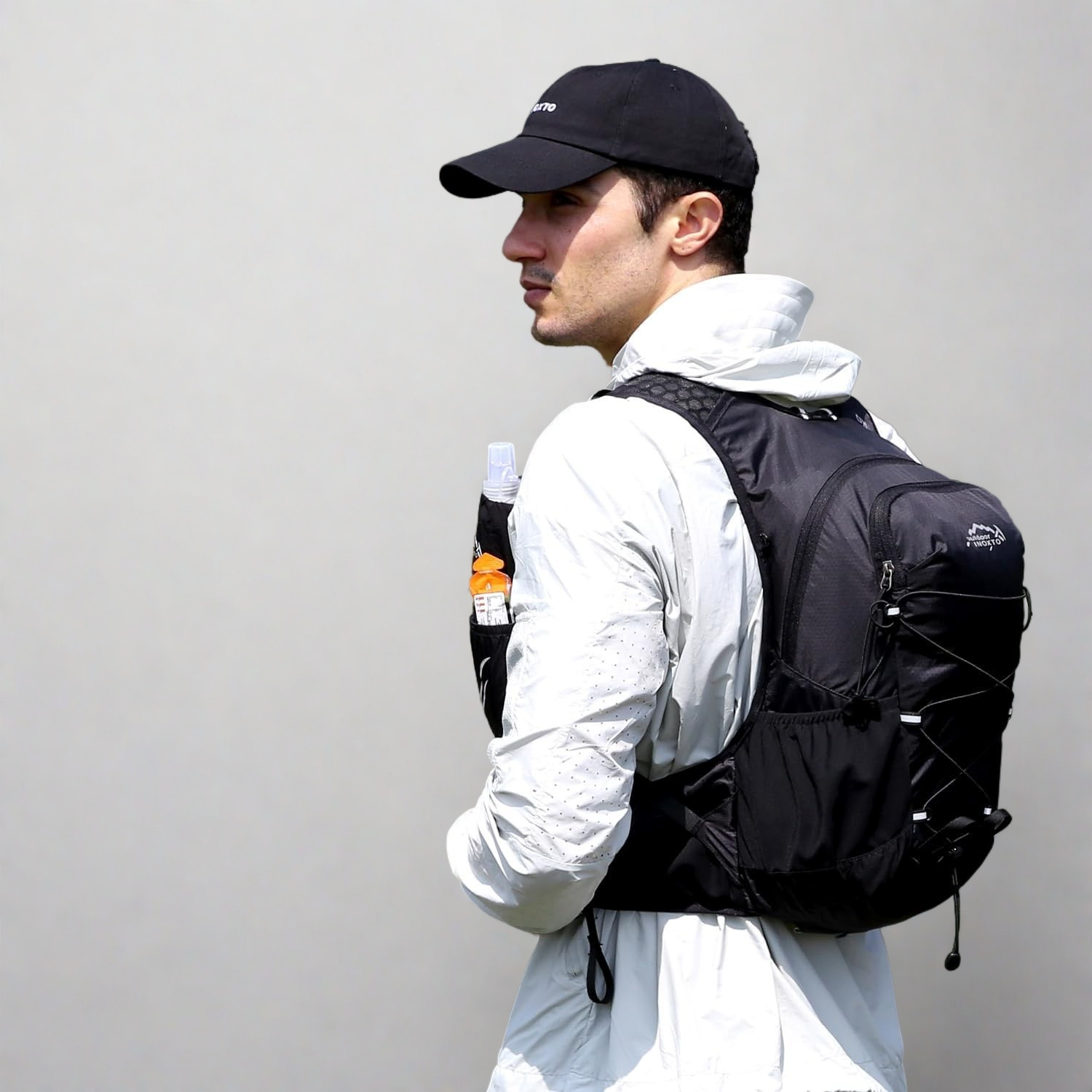
Decide what you want to reach quickly and what can stay in the main compartment. Side pockets can be useful for bottles, while shoulder and hip-belt storage may put smaller items closer to hand. Check pocket dimensions and closures on the individual model, especially for a phone or rigid bottle.
For loose layers, compare the front storage and compression system. Use external attachment points for the equipment they are intended to hold, and secure loose straps before setting off.
Check materials and weather protection separately
A fabric specification tells you something about the material, but not everything about a finished pack. Compare the construction, reinforced areas, closures and the way you will use the bag. A higher fabric denier does not, by itself, prove that one complete backpack is more durable than another.
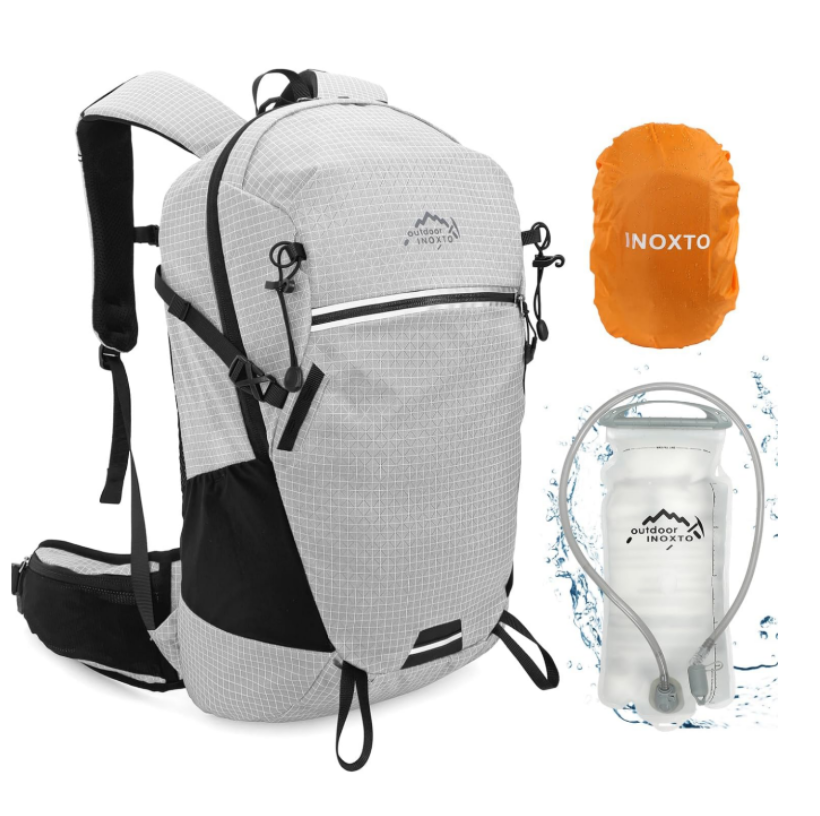
Read the individual product's weather-protection description. Water-repellent fabric and a fully waterproof bag are different claims. Check whether a rain cover is included and consider separate protection for items that must stay dry.
Choose your drinking setup
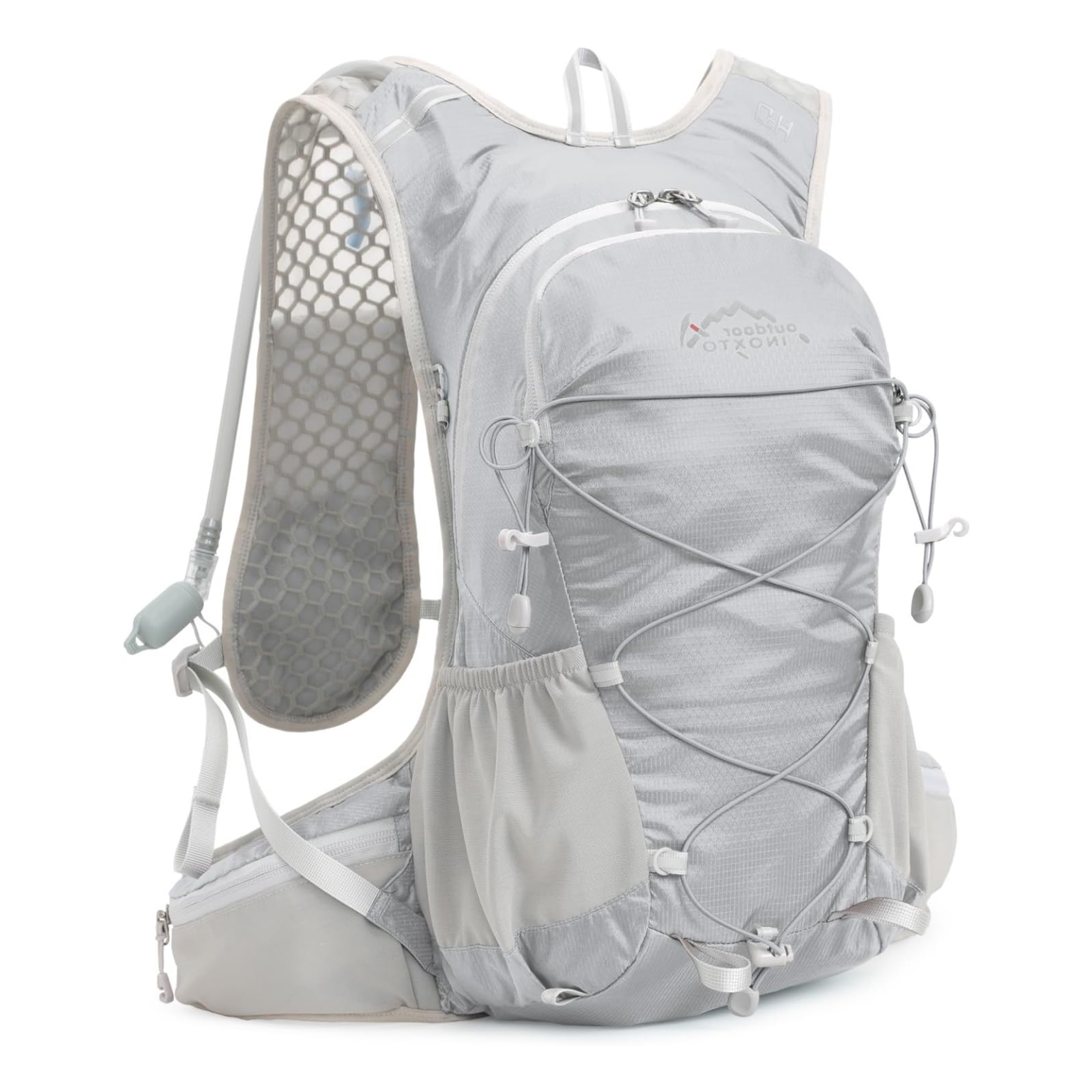
If you prefer a reservoir, check compatibility, the intended compartment and hose routing. If you prefer bottles, check their fit in the stated pockets. Read the selected bundle before ordering: a hydration-ready pack does not necessarily include a reservoir.
15L or 40L: compare your actual kit
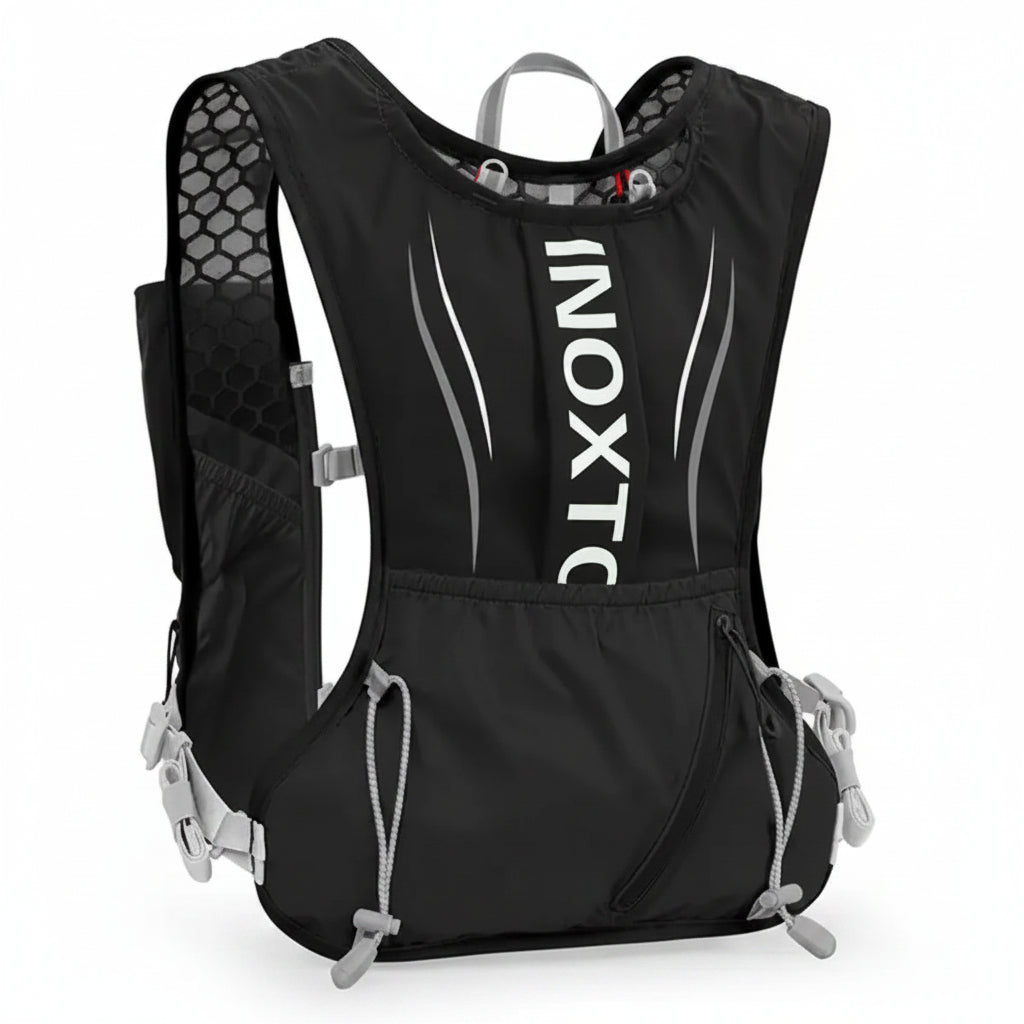
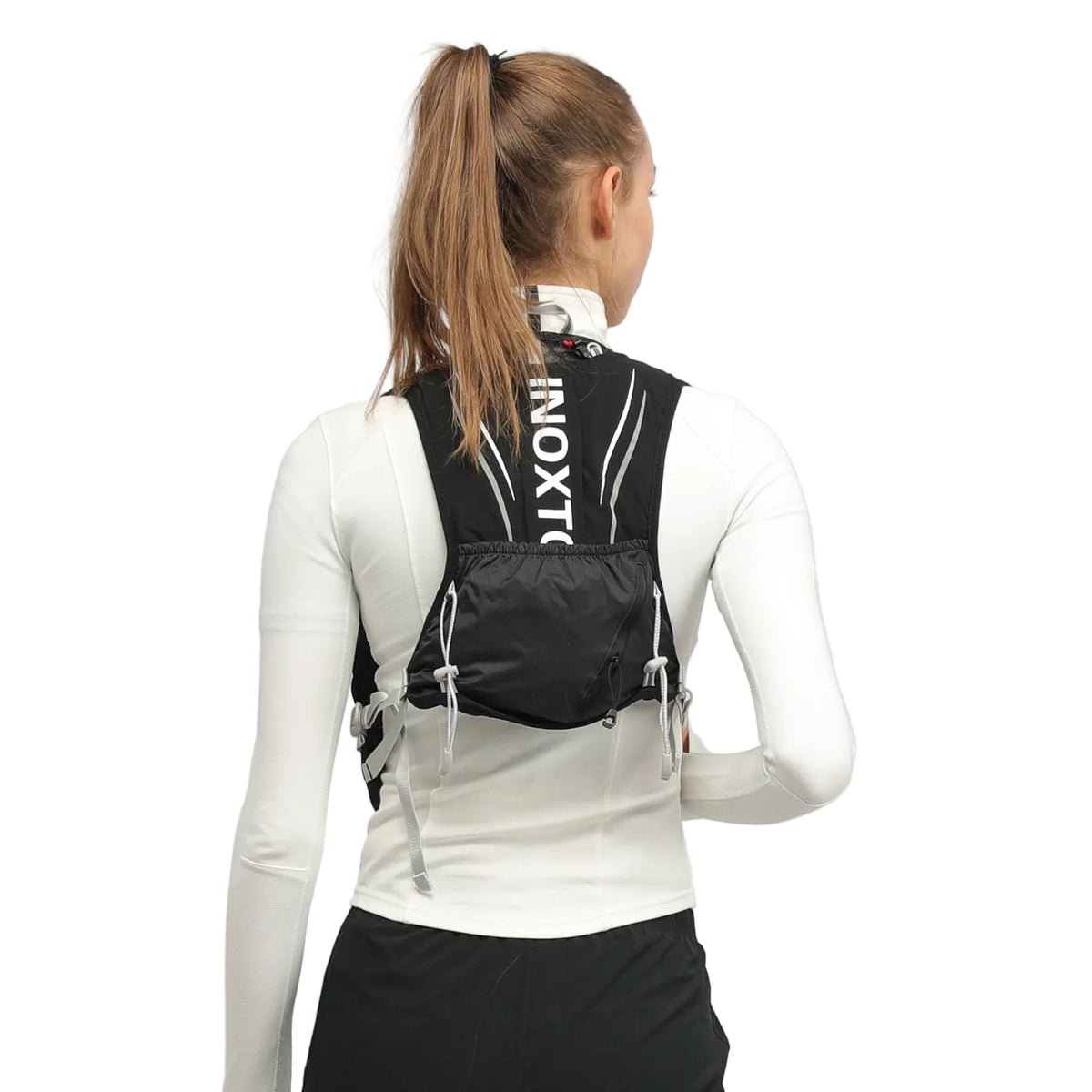
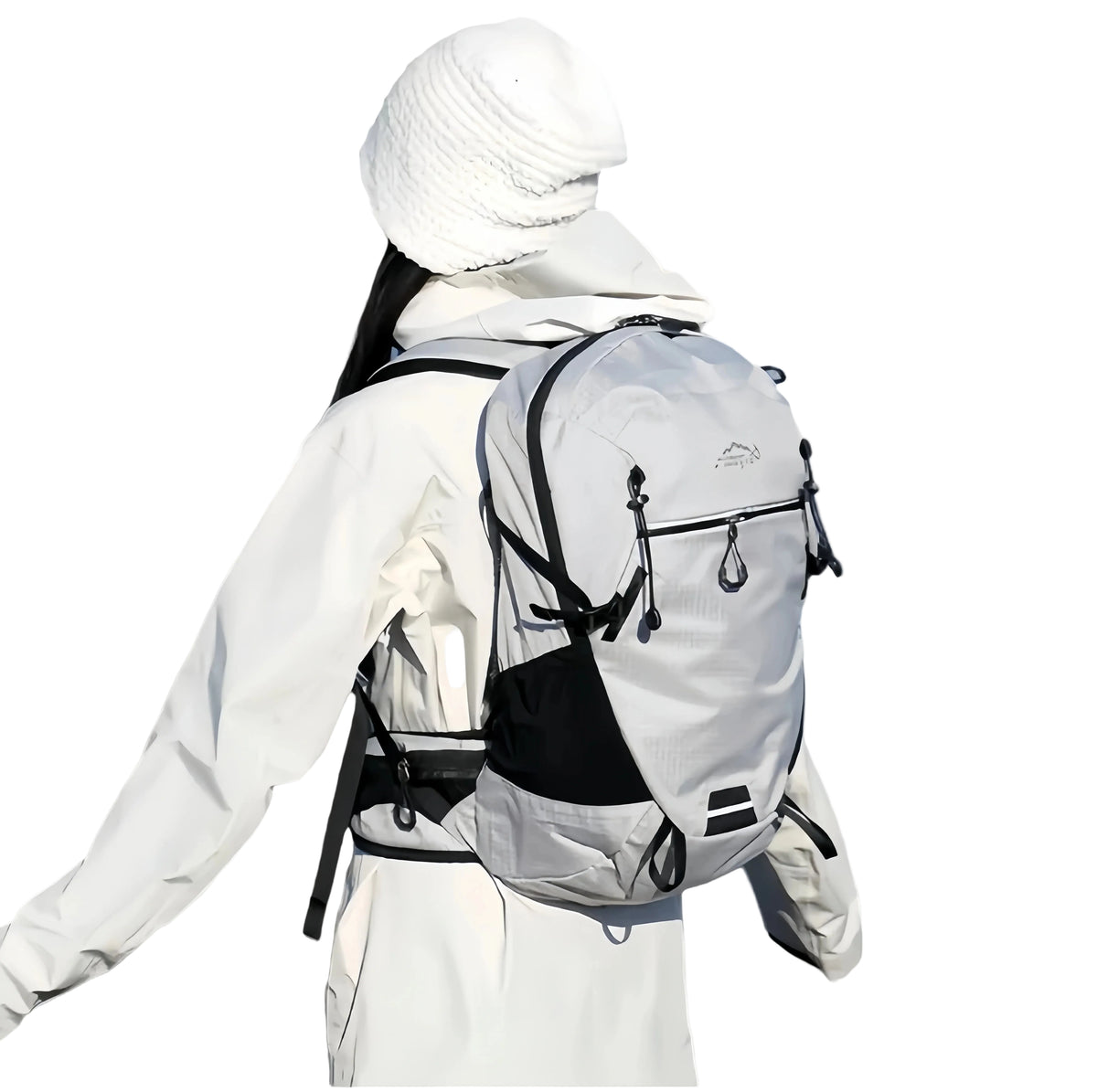
The UrbanTrail 15L hiking daypack offers compact storage for shorter walks and everyday carry, with a listed weight of approximately 500 g. If your layers and equipment need more room, the INOXTO 40L Hiking Daypack provides a larger storage option, padded mesh shoulder straps and an included rain cover.
Neither capacity alone determines trip length or carrying comfort. Lay out your kit, compare its bulk with the pack dimensions, and check the loaded fit. A larger bag is useful when you need the space; a smaller one may suit a more compact load.
Compare the details, then choose your pack
Use the same checklist for each candidate: required kit, loaded fit, pocket access, material specification and hydration setup. Compare the individual specifications instead of assuming every pack in a collection includes the same features.
Explore hiking daypacks or compare hiking and trekking backpacks. For a different activity, see our running backpacks.